Stalls to Storefronts: How Nottinghamshire's Independent Makers Are Betting on Bricks and Mortar
Stalls to Storefronts: How Nottinghamshire's Independent Makers Are Betting on Bricks and Mortar
There's a particular kind of Saturday morning energy that belongs to a market trader. You're up before the town, hauling boxes, arranging stock, hoping the weather holds — and by noon, you might have sold enough to make it worthwhile. It's precarious, it's physical, and for a lot of Nottinghamshire's independent makers, it's exactly where their story began.
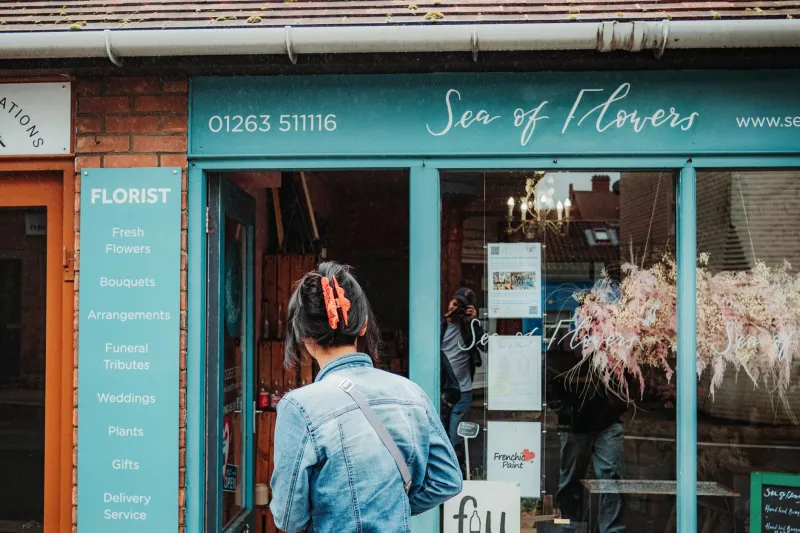
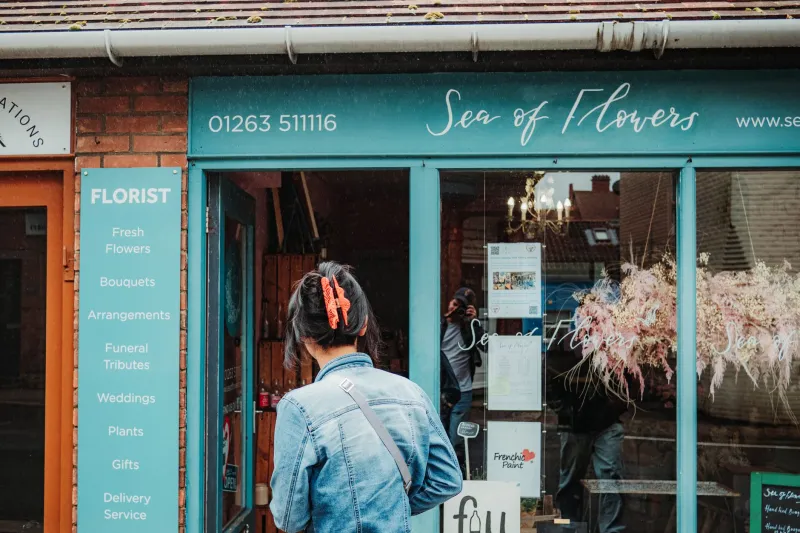
But something interesting has been happening across the county's high streets, market towns, and tucked-away side roads. Sellers who once lived and died by their Etsy traffic or their spot at the weekend market are signing leases, painting shopfronts, and opening doors. The side hustle is growing up.
So what's behind it? And is the move to a permanent premises everything these entrepreneurs hoped for?
The Tipping Point Nobody Warns You About
For most makers, the decision to go bricks and mortar isn't a single lightbulb moment — it's a slow accumulation of smaller ones. A customer who drives thirty miles to collect an order. A local stockist who keeps selling out. A landlord on a quiet street offering a rent that suddenly makes the maths work.
Take the kind of scenario playing out in places like Southwell, Hucknall, and the Lace Market quarter of Nottingham city centre: a ceramicist who's spent three years selling at craft fairs and through Instagram finally finds a small unit at a price that doesn't make her eyes water. She hesitates. She runs the numbers again. And then she signs.
What often tips the balance, makers say, isn't confidence — it's community. When your regulars start asking where they can find you rather than just clicking a link, you start to understand that there's a loyalty out there that the internet can only partially capture.
What Footfall Actually Feels Like
Here's the thing nobody quite prepares you for: footfall is unpredictable in ways that online traffic simply isn't. You can't run a quick ad campaign to boost it on a slow Tuesday. You can't tweak an algorithm. A rainy Thursday in February will be a rainy Thursday in February, and the town centre will reflect that.
But the flip side is equally surprising. When people do walk through your door, they tend to stay. They pick things up, ask questions, tell you about themselves. A woman browsing handmade jewellery ends up chatting for twenty minutes and leaves with three pieces she hadn't planned to buy — and comes back the following week with a friend. That kind of conversion doesn't happen in a digital basket.
Nottinghamshire's market towns, in particular, seem to be generating this kind of loyal footfall. Shoppers in places like Bingham, Retford, and Newark-on-Trent often describe a deliberate choice to shop locally — and independent businesses with a visible presence on the high street are the direct beneficiaries of that shift in attitude.
The Community Dividend
One of the most underreported rewards of opening a physical premises is the network that comes with it. And this is where Nottinghamshire's tight-knit business community really starts to show its worth.
When you're trading from a fixed address, you become part of a neighbourhood. You get to know the café owner next door, the printer down the road, the events organiser who pops in to ask if you'd like a spot at the Christmas market. These aren't formal networking relationships — they're organic, practical, and often enormously useful.
Local business groups and BIDs (Business Improvement Districts) across the county actively support new independents settling into their areas, connecting them with other traders, alerting them to footfall-driving events, and sometimes even helping with the basics of getting established. For someone who's spent years working alone from a spare bedroom or a market van, that kind of ready-made community can feel like a revelation.
It's also worth noting that customers notice when businesses show up for their community. Sponsoring a local event, stocking another maker's products, or simply being reliably there week after week builds a reputation that no amount of social media marketing can replicate.
The Honest Bit: The Risks Are Real
It would be dishonest to paint this as a straightforward win. Opening a physical premises is a significant financial commitment, and Nottinghamshire's high streets — like those across the rest of the UK — are not without their challenges.
Rates, insurance, fit-out costs, utilities — these add up quickly, and the buffer between a viable business and a struggling one can be uncomfortably thin. Makers who've made the transition are candid about the stress involved, particularly in the early months when you're still building a walk-in customer base while maintaining your online presence and trying to keep existing wholesale relationships alive.
The advice most of them give? Don't ditch the digital. Your online shop, your social channels, your market appearances — these aren't things to abandon the moment you have a shopfront. They're the engine that keeps the whole thing going while your physical presence finds its feet. The makers who struggle tend to be those who assume a shop will do the marketing for them. It won't. Not at first.
Why the High Street Still Has a Pulse
There's a certain narrative that casts the British high street as a lost cause — a sad parade of empty units and charity shops. And yes, there are struggles. But spend any time in Nottinghamshire's independent retail scene and a different picture emerges.
There are makers and small business owners who are actively choosing to invest in physical locations, not despite the challenges of the high street, but because they believe in what a real-world presence can offer. They're betting that people still want to touch things, to meet the person who made them, to feel part of a local economy that exists beyond a screen.
And increasingly, that bet is paying off. Not in overnight transformation, but in gradual, genuine growth — the kind that comes with a loyal customer base, a supportive local network, and the quiet satisfaction of seeing your name above a door.
For Nottinghamshire's community of makers and independent traders, the high street isn't a place of decline. It's a place of possibility — if you're willing to do the work to make it one.
Thinking about making the move to a permanent premises, or want to connect with other independent traders across Nottinghamshire? Explore the groups and networks listed on Notts Groups — there's a community out there that already wants to support you.