Better Together: Why Nottinghamshire's Savviest Business Owners Are Cosying Up to the Competition

The Old Playbook Is Getting Torn Up
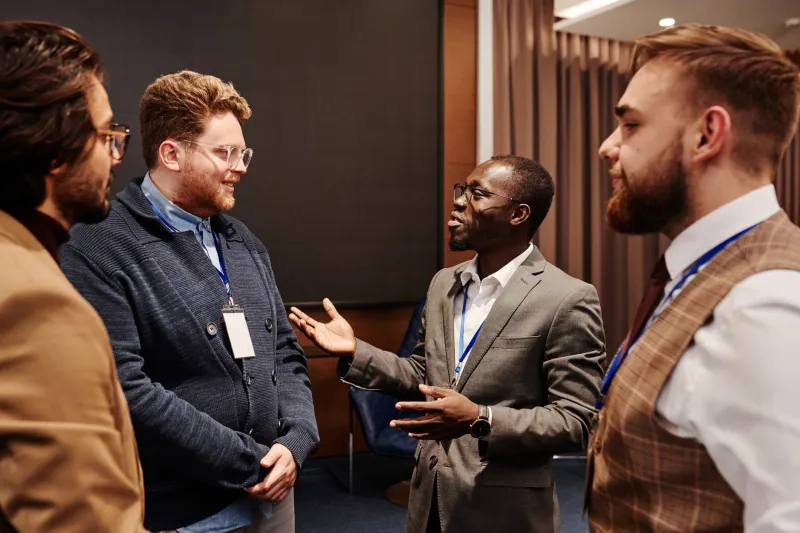
There's a particular kind of awkwardness that used to define running into a direct competitor at a local networking event. Polite smiles, vague answers, a careful dance around what you're actually working on. For years, that was just how it went. You kept your cards close, your client list closer, and you definitely didn't swap business cards with someone selling the same thing as you.
But something's shifting in Nottinghamshire. Quietly, and without much fanfare, a growing number of local business owners are doing the previously unthinkable — they're actively building relationships with the very people they used to treat as threats. And it's working.
This isn't naïve idealism. It's strategy. And it's reshaping the way sectors across the county operate, from the independent café scene in Hucknall to the creative studios clustered around Nottingham's Lace Market.
Why Competition Isn't Always What It Looks Like
Here's a truth that doesn't get said often enough: most businesses operating in the same space aren't actually fighting over the same customers. Not really. A wedding photographer based in Newark and one based in Beeston might technically be competitors, but if one specialises in documentary-style shoots and the other in traditional portraiture, they're serving different tastes entirely. The overlap is smaller than it appears.
Once business owners start seeing things that way, the logic of collaboration becomes hard to argue with. Instead of losing a potential client because you're fully booked or simply not the right fit, you refer them to someone you trust — someone who'll do right by them — and they return the favour when the situation is reversed.
That kind of informal arrangement has become increasingly common across Nottinghamshire's hospitality sector. Independent restaurant owners in the city centre, for instance, have been known to recommend one another when they can't accommodate a booking, particularly around busy periods like Christmas or Nottingham's Goose Fair weekend. What sounds like giving business away is, in practice, building goodwill that comes back around.
The Referral Economy in Action
The referral model is probably the most straightforward entry point into competitor collaboration, and it's where most local business owners start. It doesn't require formal agreements or shared branding — just a bit of mutual trust and the willingness to make a phone call on someone else's behalf.
In Nottinghamshire's retail scene, this is particularly visible among independent shops in areas like Arnold and West Bridgford. Rather than seeing each other as threats, some local traders have started directing customers to nearby shops when they don't stock what's needed. The thinking is simple: if a customer leaves your street feeling like they got looked after, they'll come back to your street again.
This kind of behaviour also tends to strengthen a local area's identity as a destination in its own right — which benefits every business on that street, not just the one that made the recommendation.
Co-Hosting: More Than Just Splitting the Bill
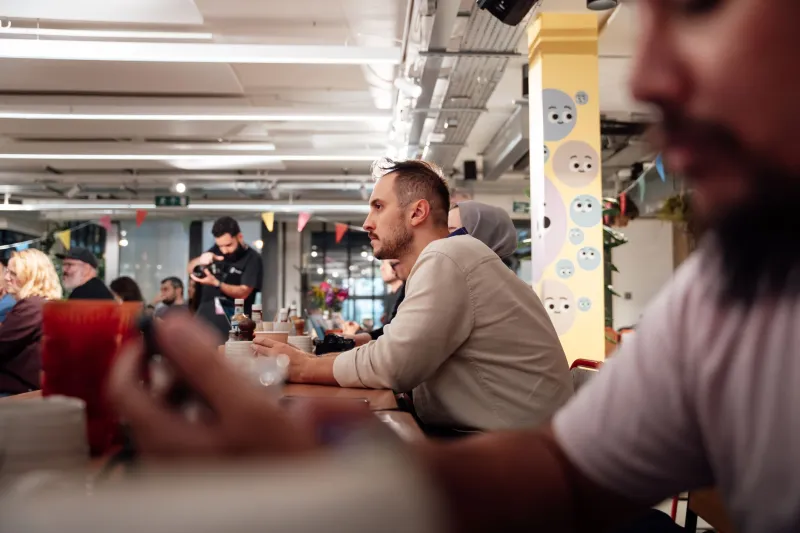
Beyond referrals, some Nottinghamshire businesses are going a step further by joining forces for events. Co-hosted workshops, pop-ups, and open evenings are becoming a genuine feature of the local business calendar — and not just because they halve the cost.
When two complementary businesses team up for an event, they each bring their own audience. A Nottingham-based interior designer co-hosting a styling evening with a local furniture maker isn't just sharing overheads — they're doubling their reach overnight. Both businesses get introduced to a crowd that might never have found them otherwise, and the event itself tends to feel richer and more interesting for attendees.
The creative industries have been particularly quick to catch on. Photographers, copywriters, graphic designers, and brand consultants in and around Nottingham have been building loose alliances that function almost like informal creative collectives — sharing studio space, recommending each other to clients, and occasionally pitching for larger projects together that none of them could have won alone.
How to Identify the Right Collaborators (Without Feeling Exposed)
The obvious concern with any of this is vulnerability. What if you refer a client and they never come back? What if a so-called collaborator starts poaching your customers? These are fair questions, and they're worth taking seriously.
The key is starting small and building trust gradually. Here's a practical way to approach it:
Start with people you already know. The best collaborations usually grow out of existing relationships — someone you've chatted to at a Nottingham Chamber event, or a fellow business owner you follow on LinkedIn. You already have a sense of how they operate.
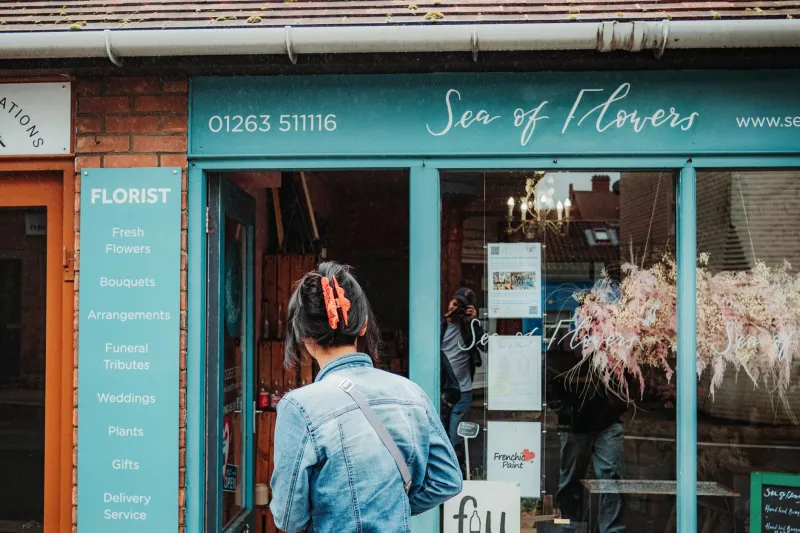
Look for complementary skills, not identical ones. The sweet spot for collaboration is where your offering ends and theirs begins. A bookkeeper and an accountant. A florist and a wedding venue stylist. A personal trainer and a nutritionist. Overlap is fine; complete duplication is trickier.
Be specific about what you're proposing. Vague suggestions to 'work together sometime' rarely go anywhere. Come with a concrete idea — a joint event, a referral agreement, a shared social media feature — and see how they respond.
Keep early arrangements informal. You don't need a contract to test the waters. Try one referral, see what happens, and build from there. Formalise things only when it makes sense to do so.
Talk to others in your network. Nottinghamshire has a genuinely active business community, and groups like those listed on Notts Groups are full of people who've navigated exactly this kind of arrangement. Ask around. Someone will have been there before you.
A Different Kind of Competitive Advantage
There's a certain irony in the fact that being generous with your competition can actually make you more competitive. But that's what many Nottinghamshire business owners are discovering. When you're known as someone who plays well with others, refers honestly, and shows up for the wider community — that reputation travels. It builds the kind of trust that no amount of advertising can buy.
The county's business landscape is, ultimately, not that large. Word gets around. People talk at networking breakfasts in Mansfield, at trade events in Newark, at informal meet-ups in Nottingham's independent coffee shops. Being the person who helped someone out — even a competitor — is the kind of thing that sticks.
So if you've been eyeing up a local business in your sector and wondering whether to reach out, it might be worth asking yourself: are they really your rival, or are they just someone you haven't collaborated with yet?
Chances are, there's more to gain from a conversation than from keeping your distance.